

The world of digital entertainment has undergone a massive transformation over the past few decades. What began as simple arcade experiences has evolved into a diverse ecosystem that includes everything from AAA video games to platforms developed by an online slot game provider. Today, providers like 1spin4win are part of this broader gaming landscape, offering experiences that share surprising similarities with traditional video games.
While online slots and video games may seem like entirely different forms of entertainment at first glance, they are increasingly connected through technology, design philosophy, and user engagement strategies. Understanding this connection helps explain why online slot games have become more appealing to modern audiences.
The Evolution of Digital Gaming
The journey from early video games to modern online slots is rooted in technological advancement. In the past, games were limited by hardware constraints, offering simple mechanics and basic visuals. Over time, improvements in computing power allowed developers to create richer, more immersive experiences.
Online slots followed a similar path. Originally mechanical, they transitioned into digital formats and eventually became sophisticated interactive games. Today’s slot titles feature animations, storylines, and mechanics that rival casual video games.
Early stages of this evolution can be summarized as follows:
- Arcade and console beginnings – simple gameplay and pixel graphics
- Rise of home gaming systems – more complex mechanics and storytelling
- Online gaming expansion – multiplayer features and digital distribution
- Mobile gaming era – accessibility and casual gameplay dominance
- Modern online slots – advanced visuals, themes, and interactive features
This progression shows that online slots did not emerge in isolation—they are a natural extension of gaming innovation.
Where Online Slots Fit in the Gaming Ecosystem
Online slot providers like 1spin4win occupy a unique position within the gaming industry. They cater to players who enjoy quick, engaging sessions without the time commitment often required by traditional video games.
Unlike narrative-driven or competitive games, slots focus on accessibility and instant engagement. However, they still rely heavily on the same core elements that define successful video games: visual appeal, smooth gameplay, and rewarding feedback systems.
Accessibility and Player Engagement
One of the defining features of online slots is how easy they are to pick up and play. There are no complex tutorials or steep learning curves. This aligns closely with the rise of casual gaming, where players prefer quick entertainment experiences.
At the same time, slot developers incorporate progression systems, bonuses, and unlockable features to maintain long-term engagement—similar to how video games keep players invested over time.
Cross-Platform Gaming Experience
Modern players expect seamless experiences across devices. Just like video games are now played on consoles, PCs, and mobile devices, online slots are optimized for multiple platforms.
This cross-platform accessibility ensures that players can engage with content anytime, anywhere, reinforcing the connection between slots and mainstream gaming habits.
Shared Game Design Elements
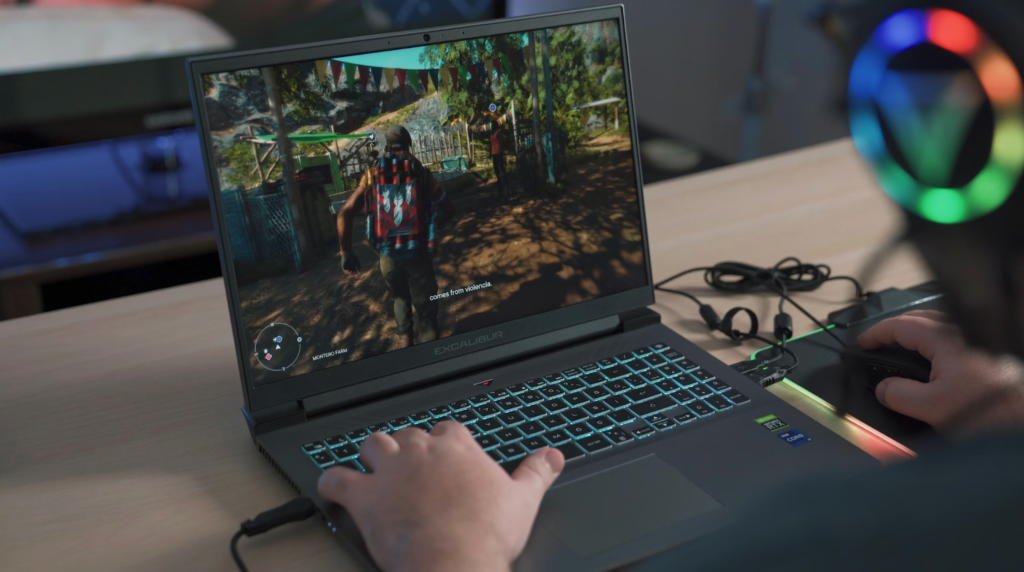
Despite their differences, online slots and video games share many core design principles. Developers in both fields aim to create engaging, visually appealing, and rewarding experiences.
Core Mechanics and Feedback Systems
Both video games and online slots rely on feedback loops to keep players engaged. In video games, this might be leveling up or completing missions. In slots, it comes in the form of wins, bonuses, and visual effects.
These feedback systems are carefully designed to create a sense of progression and satisfaction, even in short play sessions.
Visual Design and Thematic Depth
Modern slot games often feature themes inspired by popular culture, mythology, or adventure—much like video games. High-quality graphics, animations, and sound design are no longer optional; they are essential.
In fact, many slot titles now resemble mini-games, complete with story elements and interactive features that go beyond simple spinning reels.
Technology Behind Slots and Video Games
The technological foundation of online slots and video games is more similar than ever. Both rely on advanced software frameworks, graphics engines, and data processing systems.
In online slots, one of the most important components is the Random Number Generator (RNG), which ensures fairness and unpredictability. In video games, similar algorithms are used to create dynamic environments and procedural content.
Here are some shared technological components:
- Graphics rendering engines for smooth visuals
- Audio systems for immersive sound design
- User interface (UI) frameworks for intuitive navigation
- Backend systems for performance and stability
These shared technologies highlight how both industries draw from the same pool of innovation.
Comparing Online Slots and Video Games
To better understand their relationship, it helps to compare key aspects of online slots and traditional video games:
| Feature | Video Games | Online Slots |
| Gameplay Complexity | High (story, mechanics, strategy) | Low to medium (simple interactions) |
| Session Length | Long sessions | Short, flexible sessions |
| Skill Requirement | Often skill-based | Primarily chance-based |
| Visual Quality | High-end graphics | Increasingly advanced visuals |
| Accessibility | Varies by genre | Highly accessible |
This comparison shows that while the two formats serve different purposes, they are built on similar foundations.
The Future of Gaming and Online Slots
As technology continues to evolve, the line between video games and online slots is likely to blur even further. Features such as gamification, interactive storytelling, and social integration are already becoming more common in slot games.
Gamification and Hybrid Experiences
Gamification is one of the key trends shaping the future of online slots. By incorporating elements like missions, achievements, and progression systems, slot games are becoming more game-like.
This approach not only increases engagement but also attracts a new generation of players who are familiar with video game mechanics.
Innovation Through Technology
Emerging technologies such as virtual reality (VR) and augmented reality (AR) could redefine both video games and online slots. Imagine immersive slot environments where players can interact with the game world in real time.
As developers continue to experiment with new formats, the distinction between different types of digital entertainment may become less important than the overall experience they provide.
Conclusion
The transition from video games to online slots is not a leap but a natural progression. Both forms of entertainment share common roots in technology, design, and player engagement.
Providers like 1spin4win are part of this evolving ecosystem, offering experiences that reflect the broader trends in gaming. By understanding the connection between these two worlds, it becomes clear that online slots are not separate from video games—they are simply another expression of the same digital evolution.